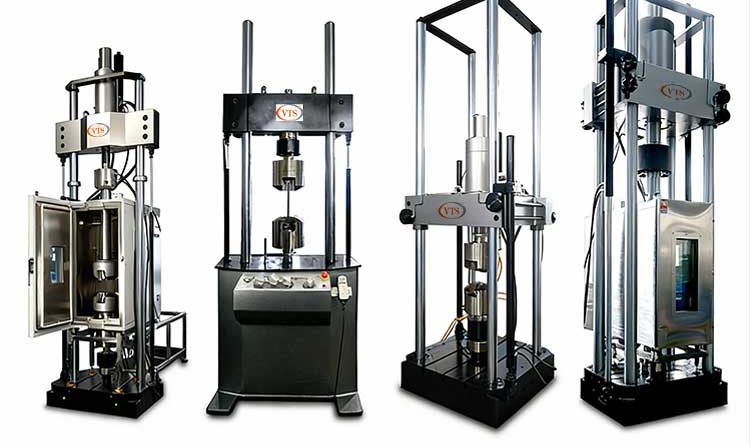
ASTM E1820 آلات اختبار الديناميكية والتعب
ASTM E1820 آلات اختبار الديناميكية والتعب (المواصفات الرئيسية, التطبيقات, وإرشادات الامتثال)
في مجال علوم وهندسة المواد, يعد ضمان موثوقية وسلامة المواد المعدنية في ظروف الخدمة القاسية أمرًا بالغ الأهمية. صلابة الكسر, معلمة حرجة تقيس مقاومة المادة لانتشار الشقوق والكسر, يؤثر بشكل مباشر على السلامة الهيكلية في صناعات مثل الطيران, السيارات, طاقة, والدفاع. معيار ASTM E1820, تم تطويره بواسطة ASTM International, بمثابة المعيار الذهبي لقياس صلابة الكسر للمواد المعدنية, توفير إجراءات صارمة لتقييم المعلمات مثل K (عامل شدة التوتر), ج (J- لا يتجزأ), وCTOD (إزاحة فتح طرف الكراك) . لتلبية المتطلبات الصارمة لهذا المعيار, أصبحت آلات الاختبار الديناميكية المتخصصة المتوافقة مع ASTM E1820 أدوات لا غنى عنها للمختبرات, مرافق التصنيع, والمؤسسات البحثية في جميع أنحاء العالم.
فهم ASTM E1820: المتطلبات الأساسية لالاختبار الديناميكي/اختبار التعب
أستم E1820-23, أحدث مراجعة للمعيار, الخطوط العريضة لإرشادات شاملة لتحديد صلابة الكسر للمواد المعدنية في وضع الفتح (الوضع الأول) تحميل . على عكس طرق الاختبار الثابتة التي تركز على القوة القصوى تحت الحمل المستمر, يؤكد ASTM E1820 على سيناريوهات التحميل الديناميكية والدورية لمحاكاة ظروف العالم الحقيقي حيث قد تتعرض المواد للتعب, تمزق مستقر, أو كسر مفاجئ. تشمل المتطلبات الرئيسية للمعيار:
- قياس دقيق لبدء الكراك وسلوك الانتشار, بما في ذلك توليد صدع التعب الموجود مسبقًا.
- دعم تحديد صلابة الكسر بقيمة النقطة ومنحنى R (منحنى المقاومة) تحليل, الذي يتتبع المتانة كدالة لتمديد الكراك.
- رقابة صارمة على معلمات الاختبار مثل معدل التحميل, درجة حرارة, والظروف البيئية لضمان تكرار النتيجة.
- التوافق مع الأشكال الهندسية المختلفة, بما في ذلك SE(ب) (انحناء مسنن ذو حافة واحدة), ج(ر) (التوتر المضغوط), والعاصمة(ر) (شعاع ناتئ مزدوج) العينات .
يتطلب الامتثال لهذه المتطلبات آلات اختبار ديناميكية تجمع بين الدقة العالية, أنظمة تحكم قوية, وقدرات الحصول على البيانات المتقدمة. يمكن أن تؤدي الآلة غير المتوافقة إلى قيم غير دقيقة لصلابة الكسر, المساس باختيار المواد, التصميم الهيكلي, وتقييمات السلامة .
المكونات الرئيسية والمواصفات الفنية لل أستم E1820 آلات اختبار الديناميكية والتعب
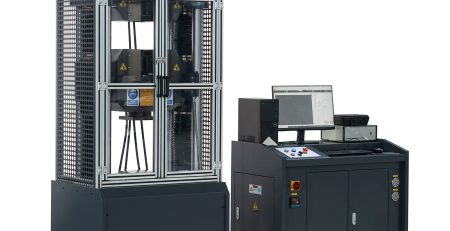
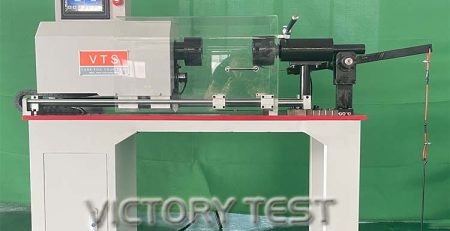
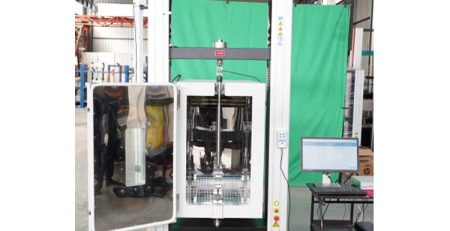
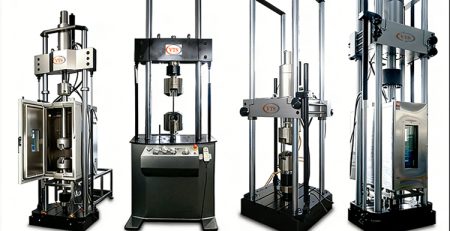
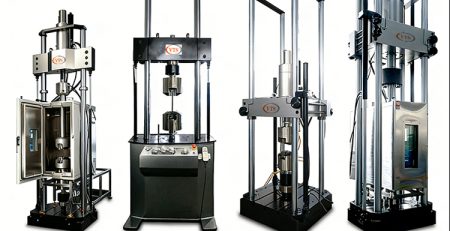
آلات الاختبار الديناميكية المتوافقة مع ASTM E1820 هي أنظمة متطورة تم تصميمها لتوفير تحميل دوري متحكم فيه والتقاط دقيق للبيانات. تم تصميم مكوناتها الأساسية ومواصفاتها الفنية لتلبية المتطلبات الصارمة للمعايير:
1. تحميل الإطار ونظام التشغيل
إطار التحميل هو العمود الفقري لآلة الاختبار, توفير الصلابة الهيكلية اللازمة للحفاظ على الاستقرار أثناء التحميل الديناميكي. تستخدم معظم الآلات عالية الأداء أنظمة تشغيل هيدروليكية أو كهربائية مؤازرة: – الأنظمة الهيدروليكية المؤازرة: مثالية للتطبيقات عالية القوة (ما يصل الى 5 مينيسوتا) ونطاقات تردد واسعة (0.001 هرتز إلى 100 هرتز), مما يجعلها مناسبة لكل من التعب الناتج عن الدورة العالية (HCF) والتعب دورة منخفضة (إل سي إف) اختبار . – الأنظمة الكهربائية المؤازرة: توفر دقة فائقة للتطبيقات منخفضة القوة, عملية أكثر هدوءا, وكفاءة الطاقة, بسعات تحميل تتراوح عادة من 1 كيلو نيوتن ل 100 كيلو نيوتن . يجب أن يضمن كلا النظامين الحد الأدنى من تقلبات الحمل (± ± 1% من الحجم الكامل) لتلبية متطلبات الدقة ASTM E1820 .
2. استشعار القوة والإزاحة
محولات القوة عالية الدقة (تحميل الخلايا) تعتبر حاسمة لقياس الحمل المطبق بفئة دقة تبلغ 0.5 أو أفضل . محولات الطاقة المتقدمة, مثل Dynacell الحاصلة على براءة اختراع من Instron, دمج أجهزة استشعار التسارع للتعويض عن أخطاء القصور الذاتي أثناء الاختبار الديناميكي عالي السرعة . لقياس النزوح والانفعال, مقاييس التمدد الضوئية غير المتصلة أو COD القائمة على الاتصال (النزوح فتح الكراك) تُستخدم المقاييس لتتبع نمو الشقوق وتشوه العينة مع وجود خطأ نسبي يبلغ ± ±0.5% .
3. برامج التحكم والحصول على البيانات
نظام البرمجيات هو عقل آلة الاختبار, تمكين المستخدمين من تكوين معلمات الاختبار, تنفيذ بروتوكولات الاختبار المتوافقة مع ASTM E1820, وتحليل النتائج. وتشمل الميزات الرئيسية: – قوالب اختبار ASTM E1820 مسبقة الصنع لسهولة الإعداد, القضاء على الحاجة إلى البرمجة المخصصة. – الحصول على البيانات في الوقت الحقيقي بمعدلات تصل إلى 100 كيلو هرتز, ضمان التقاط أحداث الكسر العابرة . – دعم لتسجيل البيانات متعدد القنوات (قوة, النزوح, أَضْنَى, درجة حرارة) وتوليد منحنى R. – التوافق مع أنظمة تشغيل Windows والقدرة على تصدير النتائج بتنسيقات مثل PDF, اكسل, وWord للتوثيق وإعداد التقارير . – دعم ثنائي اللغة (الإنجليزية/الصينية) لتلبية احتياجات المستخدمين العالميين .
4. ملحقات التحكم البيئي
لمحاكاة ظروف الخدمة في العالم الحقيقي, غالبًا ما يتطلب اختبار ASTM E1820 التحكم البيئي. يمكن تجهيز الآلات المتوافقة مع: – أفران ذات درجة حرارة عالية (تصل إلى 1200 درجة مئوية) أو غرف ذات درجة حرارة منخفضة (تصل إلى -196 درجة مئوية) لاختبار التعب الميكانيكي الحراري. – غرف التآكل لتقييم أداء المواد في البيئات الكيميائية القاسية .
تطبيقات ASTM E1820 الديناميكية و آلات اختبار التعب
إن تعدد استخدامات آلات الاختبار الديناميكية المتوافقة مع ASTM E1820 يجعلها ضرورية في العديد من الصناعات عالية المخاطر.:
الفضاء والدفاع
في الفضاء الجوي, يجب أن تتحمل المواد مثل سبائك التيتانيوم والسبائك الفائقة المستخدمة في محركات الطائرات وهياكل الطائرات التحميل الدوري ودرجات الحرارة القصوى. يضمن اختبار ASTM E1820 أن تتمتع هذه المواد بصلابة كافية للكسر لمنع الأعطال الكارثية . على سبيل المثال, تقوم آلات الاختبار الديناميكية بتقييم مقاومة نمو صدع التعب لشفرات التوربينات, ضمان الامتثال لمعايير سلامة الطيران.
صناعة السيارات
يستخدم مصنعو السيارات اختبارات متوافقة مع ASTM E1820 للتحقق من متانة المكونات الهامة مثل أجزاء المحرك, أنظمة التعليق, وهياكل تحطم. يساعد الاختبار على تحسين اختيار المواد لمبادرات تخفيف الوزن مع الحفاظ على السلامة الهيكلية .
الطاقة والنووية
في قطاع الطاقة, وخاصة في محطات الطاقة النووية وتوربينات الرياح البحرية, تتعرض المواد للتحميل الدوري طويل الأمد والبيئات القاسية. يضمن اختبار ASTM E1820 أن مكونات مثل أوعية ضغط المفاعل وأعمدة توربينات الرياح يمكنها مقاومة انتشار التشققات طوال فترة خدمتها .
بحوث المواد ومراقبة الجودة
تعتمد المؤسسات البحثية على هذه الآلات لتطوير مواد معدنية جديدة ذات صلابة محسنة للكسر, بينما تستخدمها مرافق التصنيع لفحص المواد الواردة وضمان الجودة . تستفيد مختبرات الطرف الثالث أيضًا من الآلات المتوافقة مع ASTM E1820 لتوفير خدمات اختبار صلابة الكسر المعتمدة .
اختيار آلة الاختبار الديناميكي المناسبة المتوافقة مع ASTM E1820
عند اختيار آلة اختبار ديناميكية متوافقة مع ASTM E1820, ضع في اعتبارك العوامل التالية للتأكد من أنها تلبي احتياجاتك الخاصة:
- سعة التحميل ونطاق التردد: قم بمطابقة سعة قوة الجهاز ونطاق التردد مع متطلبات الاختبار الخاصة بك (على سبيل المثال, قوة عالية للمكونات الصناعية مقابل. قوة منخفضة للعينات الصغيرة).
- الامتثال للمعايير: تأكد من أن الجهاز معتمد بشكل صريح لـ ASTM E1820, بالإضافة إلى المعايير الأخرى ذات الصلة (على سبيل المثال, أستم E399, أستم E647) .
- قدرات البرمجيات: تأكد من أن البرنامج يقدم قوالب ASTM E1820 المعدة مسبقًا, أدوات تحليل البيانات المتقدمة, وتوليد التقارير السهلة.
- التوافق البيئي: في حالة الاختبار في درجات الحرارة القصوى أو البيئات المسببة للتآكل, تأكد من أن الجهاز يمكنه استيعاب الغرف البيئية اللازمة.
- دعم الشركة المصنعة: اختر شركة مصنعة تتمتع بسجل حافل في الاختبارات الديناميكية, تقديم خدمات المعايرة, الدعم الفني, وتوافر قطع الغيار (على سبيل المثال، VTS, انسترون) .
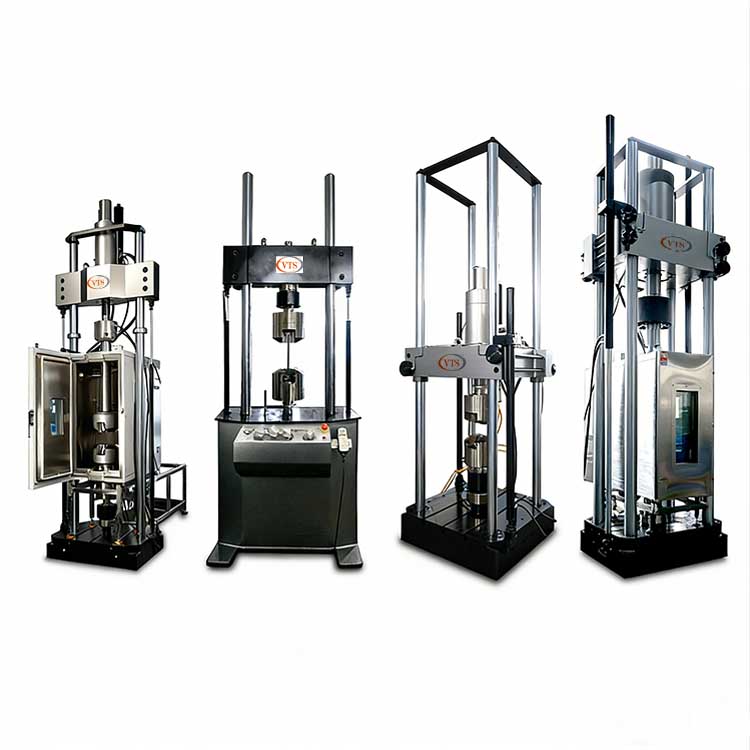
خاتمة: الدور الحاسم للامتثال لمعيار ASTM E1820 في ضمان سلامة المواد
تعد آلات الاختبار الديناميكي المتوافقة مع ASTM E1820 أكثر من مجرد أدوات مختبرية - فهي عوامل تمكين أساسية للسلامة, موثوق, والتصميم الهندسي الفعال. من خلال الالتزام بالمتطلبات الصارمة لمعيار ASTM E1820, توفر هذه الآلات دقة, بيانات صلابة الكسر القابلة للتكرار التي تدعم اختيار المواد, التحليل الهيكلي, ومراقبة الجودة عبر الصناعات. سواء للفضاء, السيارات, طاقة, أو تطبيقات بحثية, الاستثمار في جودة عالية, آلة الاختبار الديناميكي المتوافقة هي التزام بالسلامة والأداء.
للمؤسسات التي تسعى إلى تحسين عمليات اختبار المواد الخاصة بها, إن الشراكة مع إحدى الشركات المصنعة ذات السمعة الطيبة وضمان الامتثال الكامل لمعيار ASTM E1820 لن تلبي المتطلبات التنظيمية فحسب، بل ستعزز أيضًا مصداقية نتائج الاختبار.. مع تقدم علم المواد ونمو متطلبات الصناعة لأداء أعلى, سيصبح دور آلات الاختبار الديناميكية المتوافقة مع ASTM E1820 أكثر أهمية في دفع الابتكار وضمان السلامة الهيكلية.