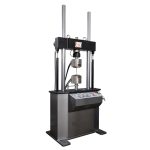
BS 7448 動的および静的試験機
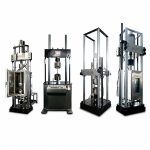
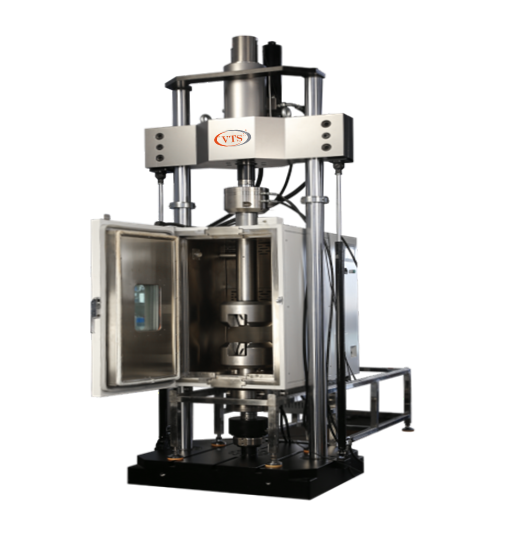
BS 7448 破壊力学靱性試験. 動的および静的試験機に対して厳しい要件を設定します。. これにより、KIC などの重要なパラメータの正確な測定が保証されます。, タラ,および J-integral — 金属材料および溶接継手用. これら 2 種類の試験機が連携して材料の耐破壊性を評価します. 航空宇宙などの高リスク産業における安全性評価をサポートします。, オフショアプラットフォーム, 圧力容器と.
規格: ISOなどの規格に準拠した動的・静的試験機 12135, ASTM E399, BS 7448, およびASTM E1820.
- 説明
- 問い合わせ
説明
BS 7448 動的および静的試験機
(BS 7448 – 破壊力学靭性試験)

規格: ISOなどの規格に準拠した動的・静的試験機 12135, ASTM E399, BS 7448, およびASTM E1820.
主な要件 & アプリケーション
BS 7448 破壊力学の靱性試験に関する権威ある英国規格です. 動的および静的試験機に対して厳しい要件を設定します。. これにより、重要なパラメータの正確な測定が保証されます。 KIC, タラ,および J-integral — 金属材料および溶接継手用. これら 2 種類の試験機が連携して材料の耐破壊性を評価します. 航空宇宙などの高リスク産業における安全性評価をサポートします。, オフショアプラットフォーム, 圧力容器と.
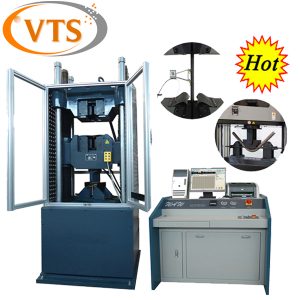
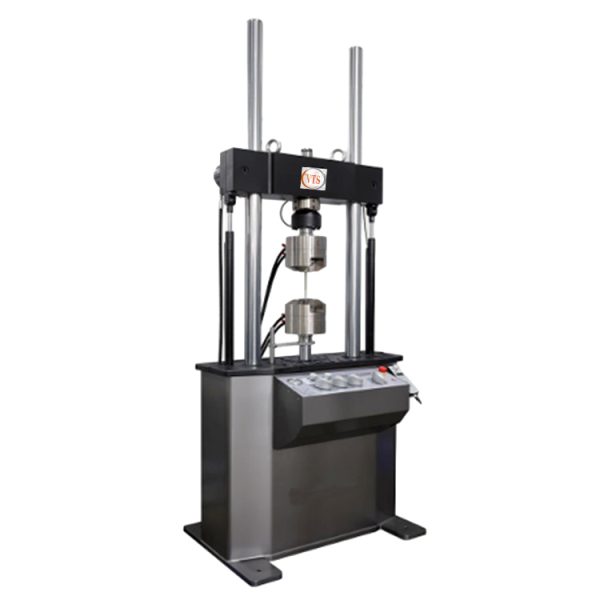
BSの礎となる静的試験機 7448 静的荷重試験.
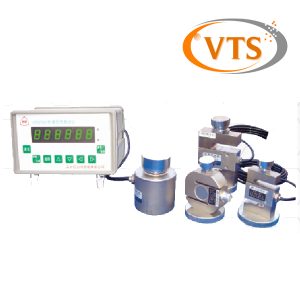
これらは、パートで概説されているシナリオに適用されます。 1 そして 2 標準の. この規格では、安定した準静的荷重を提供することが求められています。. 荷重速度制御精度は±0.05 mm/min以下である必要があります。. これは、現実世界の構造におけるゆっくりとした応力変化をシミュレートします。. これらの機械には高精度ロードセルが搭載されています. 荷重変位曲線を確実に記録するには、荷重測定精度が±0.5%以下に達する必要があります。.
また、±0.001 mm 以上の変位分解能を備えた適合する伸び計も必要です。. これらの伸び計は亀裂先端の微妙な変位を捕捉します. これは、BS 7448 のプラスチック ヒンジ モデルを使用して CTOD 値を計算する場合に重要です。. 機械フレームは高い剛性が必要です. これにより、自己変形がテスト結果に影響を与えるのを防ぎます。. 環境制御装置とも連携する必要がある. 例えば, 制御精度±1℃の恒温槽. これは、さまざまな材料の低温試験ニーズに適応するのに役立ちます.
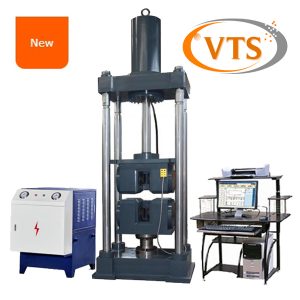
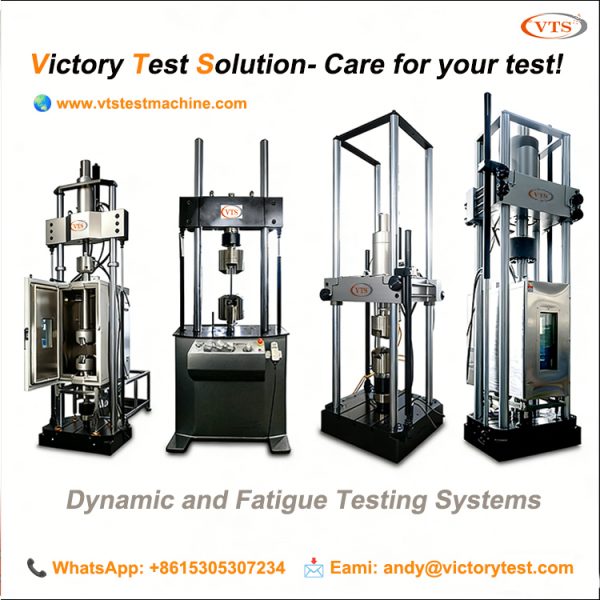
動的試験機はBS用に設計されています 7448 一部 3.
このパートでは破壊靱性試験に焦点を当てます. 応力拡大係数の増加率が超過した場合に適用されます。 3.0 MPa・m⁰.⁵/s. ほとんどの動的試験機はサーボ油圧制御システムを使用しています. 正確な動的荷重波形を生成できます。, 正弦波や方形波など. 周波数範囲は 0.01 Hzから 100 Hz. これにより、運用環境における急激な負荷変化の需要に対応します。.
高速データ収集システムが必須. サンプリング周波数は 1000 Hz 以上でなければなりません. これにより、動的荷重中の瞬間的な荷重と変位データが取得されます。. 動的負荷制御精度は±1%以下である必要があります。. これにより、事前亀裂および試験中に安定した亀裂の伝播が保証されます。.
BS用の動的試験機と静的試験機の両方 7448 国際校正基準を満たさなければなりません. ISO/IEC 17025 よくある例です. これによりテストデータのトレーサビリティが確保されます. 彼らはサポート機器を共有することが多い. 高倍率亀裂測定器は一例です. これらの機器の測定精度は±0.01 mm以下です。. 試験後に亀裂の長さを検証します.
これら 2 つの機械タイプを連携させることで、異なる荷重条件下での材料破壊性能を完全に評価できます。. これでBSになります 7448 テスト結果の信頼できる根拠. 主要産業における材料選択と構造安全設計をガイドします。.
動的試験機について詳しくはこちら, お問い合わせください:
📩 andy@victorytest.com
📞WhatsApp: +8615305307234
🌏 www.vtstestmachine.com
当社のチームは、テクノロジーに情熱を持ち、お客様に最高のソリューションとサービスを提供する熱心な専門家で構成されています。.