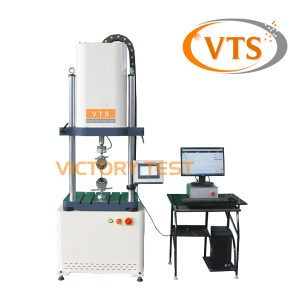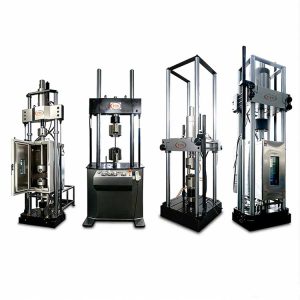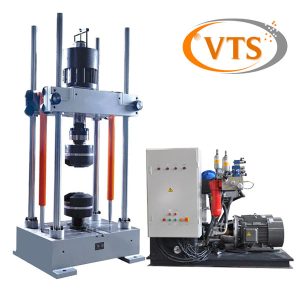
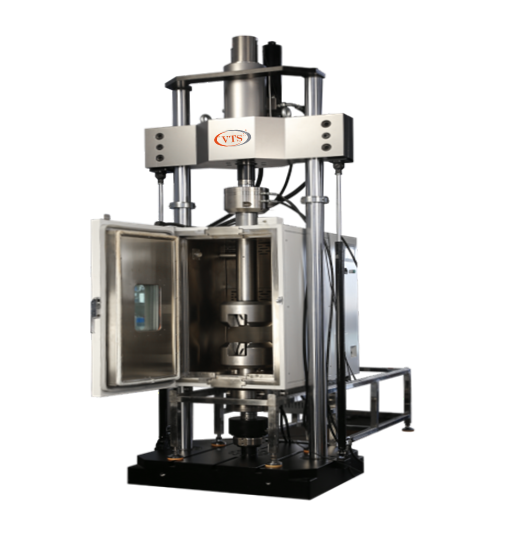
ASTM E399 Sisteme de testare dinamică și oboseală
Sisteme de testare dinamică și oboseală ASTM E399 Funcția lor de bază este de a determina valoarea K₁c a materialelor metalice pentru a sprijini proiectarea, selecția materialului, evaluarea siguranței, și optimizarea proceselor.
Standarde: ISO 12135, ASTM E399, BS 7448, ASTM E1820, etc.
- Descriere
- Anchetă
Descriere
ASTM E399 Sisteme de testare dinamică și oboseală
(Dinamic & Masina de testare a oboselii)
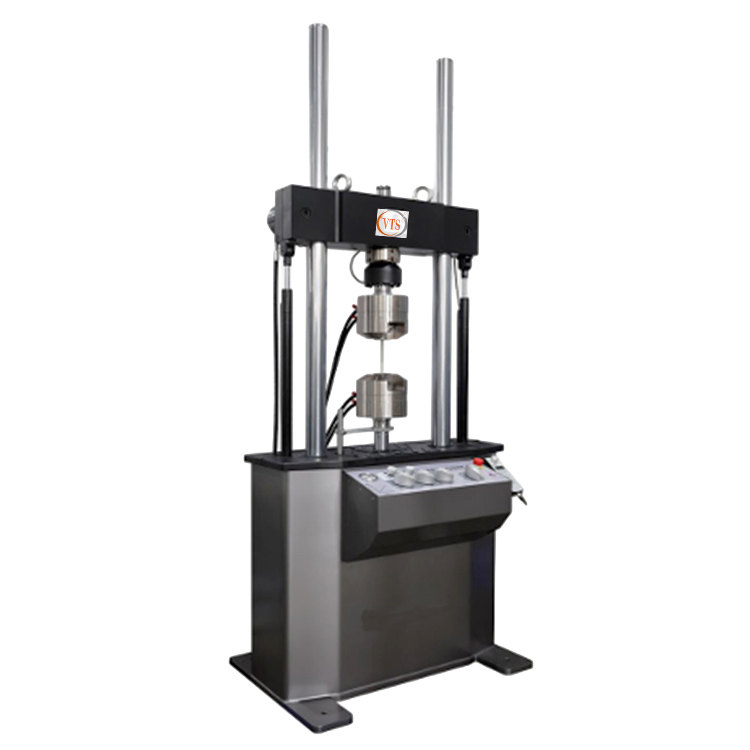
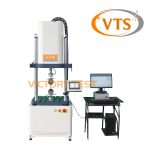
Sistemele de testare dinamică și de oboseală ASTM E399 sunt utilizate pe scară largă în domenii precum energia nucleară, aerospațial, petrol și gaze, inginerie maritimă, transport feroviar, cercetare si dezvoltare materiale, și analiza defecțiunilor. Funcția lor de bază este de a determina valoarea K₁c a materialelor metalice pentru a susține proiectarea, selecția materialului, evaluarea siguranței, și optimizarea proceselor.
Standarde: ISO 12135, ASTM E399, BS 7448, ASTM E1820
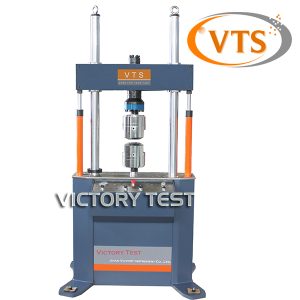
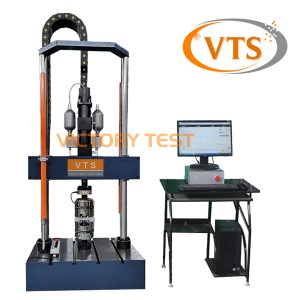
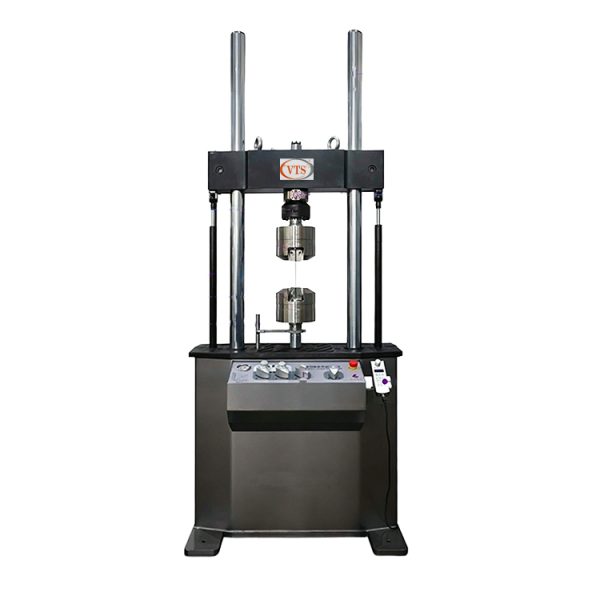
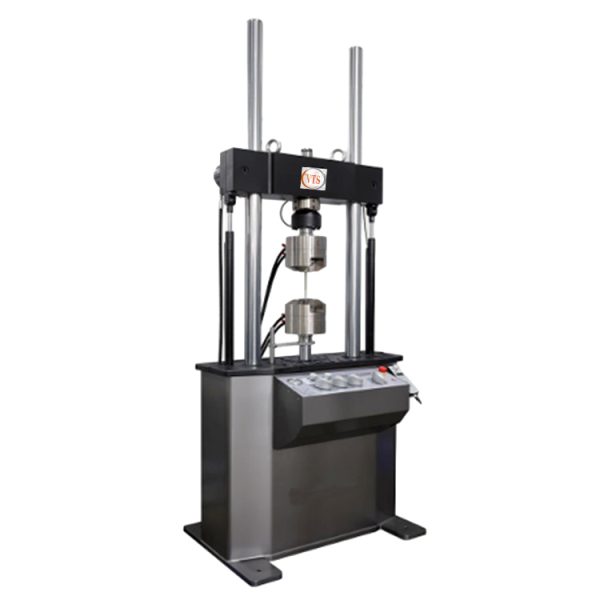
Mașina noastră de testare dinamică a oboselii este o soluție versatilă pentru testele care necesită precizie ridicată și viteză în controlul forței și poziției.
Gama de sarcină dinamică de până la 2000 kN
Fără întreținere și ușor de instalat
Consum redus de energie
Testare extrem de fiabilă
Ingineria Energiei Nucleare (ASTM E399 Sisteme de testare dinamică și oboseală)
Verificarea tenacității la fractură a reactorului și a componentelor din miez
Verificarea materialului de reținere din oțel de înaltă rezistență pentru reactoarele cu apă sub presiune
Material: 720 Oțel de înaltă rezistență, de calitate N/mm² (ASTM A543 clasa B grad 1), utilizat pentru vasele de reținere din oțel din centralele nucleare.
Metodă: C.(T) specimenele au fost preparate conform ASTM E399, iar după tratament termic și tratament termic post-sudare, a fost testat K₁c al metalului de bază și al liniei de sudură. Verificarea a inclus Pₘₐₓ/P_Q ≤ 1.10 si dimensiuni satisfacatoare 2.5 (K₁c/σₛ)².
Rezultate: K₁c ≥ 60 MPa・m¹/², fără fisuri pentru reducerea stresului, respectarea standardelor de securitate nucleară, sprijinirea proiectării structurii de izolare.
Aerospațial: Selectarea materialelor și certificarea pentru structurile portante critice ale aeronavelor (ASTM E399 Sisteme de testare dinamică și oboseală)
Determinarea K₁c pentru oțelul ultra-înalt de rezistență utilizat în trenul de aterizare a aeronavelor de luptă (Studiu de caz în industria aerospațială)
Materiale: 300M oțel, AerMet 100, și alte oțeluri ultra-rezistente, folosit pentru barele trenului de aterizare și urechi de legătură.
Metodă: Fisura pre-oboseala in SE(B) exemplare (a=0,5W), rata de încărcare 1.0 MPa・m¹/²/s, înregistrați curba P-V pentru a determina K_Q, verificați grosimea B≥12,7 mm și Pₘₐₓ/P_Q≤1,10.
Rezultate: K₁c≥75 MPa·m¹/², asigurând nicio ruptură fragilă a trenului de aterizare sub sarcină de impact, și trecerea certificării de navigabilitate FAA.
Testarea rezistenței la rupere la temperatură joasă a aliajului de aluminiu pentru rezervoarele de combustibil pentru nave spațiale (Studiu de caz NASA)
Materiale: 2219-Aliaj de aluminiu T87, utilizat pentru rezervoarele de combustibil cu hidrogen lichid/oxigen lichid.
Metodă: Măsurați K₁c la -196℃ folosind C(T) exemplare, controlul lungimii la oboseală înainte de fisurare la ≥1,3 mm, a/W=0,5±0,05.
Valoare: K₁c≥35 MPa·m¹/², susținerea proiectării rezistenței la propagarea fisurilor a structurii rezervorului de combustibil, evitând fractura fragilă la temperatură scăzută.
Ulei, Gaz, și Energie: Evaluarea siguranței la fracturi a conductelor, Vase sub presiune, și echipamente de adâncime (ASTM E399 Sisteme de testare dinamică și oboseală)
Clasificarea rezistenței la rupere a oțelului X80/X100 pentru conducte de gaz natural de înaltă presiune (Conform cu standardele API)
Materiale: Oțel pentru conducte X80/X100, utilizat pentru sudura pe circumferință și evaluarea metalelor de bază a conductelor pe distanțe lungi.
Metodă: SE(B) exemplare, K₁c măsurată conform ASTM E399, combinat cu BS 7910 pentru evaluarea toleranței defectelor de sudură.
Rezultate: X100 oțel K₁c ≥ 100 MPa・m¹/², susținând stabilirea dimensiunii maxime admisibile a defectului pentru sudurile de circumferință, reducerea riscurilor de transport.
K₁c Verificarea pieselor forjate din aliaje de titan pentru platforme de adâncime (Studiu de caz de inginerie navală)
Materiale: Ti-6Al-4V ELI, folosit pentru ridicări și flanșe de platformă.
Cercetarea materialelor și optimizarea proceselor (ASTM E399 Sisteme de testare dinamică și oboseală):
Impactul proceselor de tratare termică și de fabricație aditivă asupra K₁c
Studiu privind corelația dintre conținutul de martensită și K₁c în oțelul cu dublă fază (DP Steel) (Studiu de caz pentru laboratorul de materiale)
Variabile: Fracția de volum de martensită 30%–40%, compararea diferitelor procese de tratament termic.
Metodă: K₁c a fost măsurat folosind C(T) specimene conform ASTM E399, iar rata de creștere a fisurilor de oboseală a fost măsurată simultan folosind ASTM E647.
Concluzie: K₁c a atins apogeul (≥85 MPa・m¹/²) la un continut de martensite de 38%, oferind o bază pentru optimizarea procesului de oțel DP pentru ușurarea autovehiculelor.
Îmbunătățirea tenacității la rupere în aliajul de titan fabricat aditiv (SLM Ti-6Al-4V) (Studiu de caz privind materialele aerospațiale)
Dezvoltarea standardelor și metodelor: Configurații noi ale probei și extinderea valabilității
Tensiunea compactă a discului (DC(T)) Validarea specimenului (ASTM E399) (Studiu de caz NASA)
Cerinţă: Pentru a furniza un specimen standard pentru forjare tubulară/disc.
Metodă: Comparați valorile K₁c ale DC(T) și dreptunghiular C(T) specimene pentru a verifica consistența factorului de formă f(a/V) pentru a/W = 0,25–0,85.
Rezultate: Abaterea datelor ≤3%, incluse în apendicele ASTM E399, extinderea bibliotecii standard de specimene.
Testarea K₁c a materialelor speciale (Aliaje de beriliu) (Studiu de caz în industria de apărare)
Material: Aliaj de beriliu-aluminiu, utilizate în ambalajele avionice și componentele armelor.
Metodă: Pregătește A(T) specimene în formă de arc conform ASTM E399 Anexa A9, controlul ratei de creștere a oboselii înainte de fisurare la ≤10⁻⁶ m/ciclu.
Valoare: S-a obţinut K₁c = 12–15 MPa·m¹/², susținerea proiectării factorului de siguranță pentru materialele fragile.