Metoda de testare pentru rezistența la compresiune a ceramicii fine
Metoda de testare pentru rezistența la compresiune a ceramicii fine
Metoda de testare pentru rezistența la compresiune a ceramicii fine (Ceramică avansată, Ceramică tehnică avansată)
Cu cererea din ce în ce mai mare de materiale performante în industria modernă, Ceramica fină a devenit treptat o zonă fierbinte a cercetării științei materialelor datorită proprietăților lor mecanice unice și a stabilității chimice excelente. În comparație cu ceramica tradițională, Ceramica fină poate obține un control precis al compoziției chimice, Microstructura și dimensiunea cerealelor prin controlul strict de selecție a materiilor prime și a procesului de fabricație, îndeplinind astfel diverse cerințe de performanță.
Acest articol se va concentra pe metoda testului de rezistență la compresiune ceramică fină, testați proprietățile de compresie ale ceramicii fine printr-o mașină electronică universală de testare, analiza comportamentul lor mecanic, și oferă o referință pentru optimizarea performanței și extinderea aplicației ceramicii fine.
1. Principiul testării
Principiul de testare al testului de rezistență la compresiune ceramică fină este aplicarea unei sarcini de compresie unidirecționale uniforme pe eșantion printr-o mașină de testare universală electronică, se măsoară solicitarea maximă de compresiune a probei în momentul ruperii, şi astfel caracterizează performanţa la compresiune a materialului.
2. Testat cu referire la standard “Metoda de testare pentru rezistența la compresiune a ceramicii fine”
3. Echipamente de testare
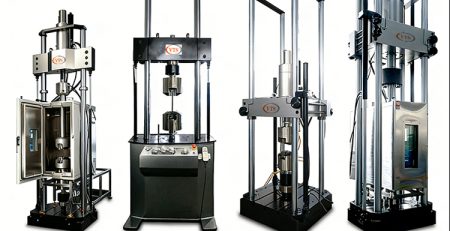
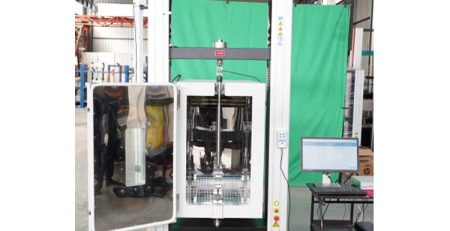
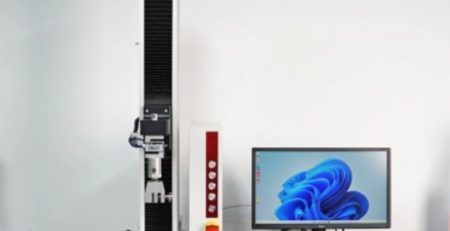
1. Mașină electronică de testare universală
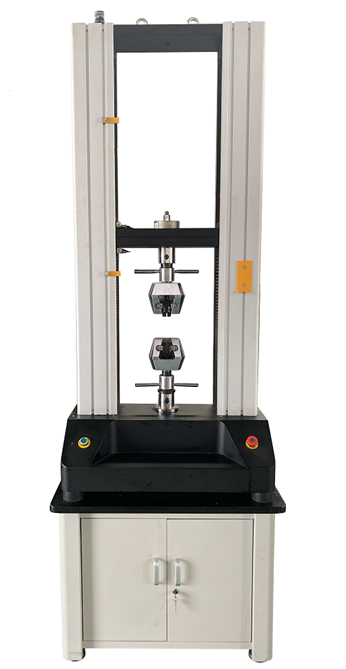
(Schematic diagram: The universal material testing machine can be used with different fixtures to perform different mechanical tests)
2. Customized Compression Fixtures

3. Condiții de testare
Temperatura de testare: temperatura camerei, about 20°C
Load sensor: 100KN (0.5 level)
Tipul testului: test de compresie
Viteza de testare: 0.2 mm/min
4. Procesul de testare

Pas 1. Test equipment and tool preparation
1. Mașină electronică de testare universală: Select an electronic universal testing machine with a range of 100kN (accuracy level 0.5) to ensure that the equipment is calibrated and operates normally.
2. Customized compression fixture: including upper and lower spherical pressure plates to ensure that the surface of the pressure plate is smooth and undamaged.
3. Auxiliary tools:
Carbide contact block (hardness HV1500, size Φ25×20 mm).
35 μm thick polytetrafluoroethylene film gasket.
Vernier caliper or other measuring tools to check the parallelism of the pressure plate.
Pas 2. Setarea condiției de testare
1. Temperatura de testare: Ensure that the test environment temperature is room temperature (about 20°C) și înregistrați temperatura și umiditatea mediului ambiant.
2. Tipul testului: Setați mașina de testare în modul de testare a compresiei.
3. Viteza de testare: Setați viteza de testare la 0.2 mm/min.
4. Load sensor: Selectați un senzor de sarcină de 100 kN și confirmați că nivelul de precizie este 0.5.
Pas 3: Pregătirea probei
Verificați aspectul probei de compresie ceramică pentru a vă asigura că nu există fisuri sau defecte pe suprafața probei și că dimensiunea îndeplinește cerințele standard.
Curățați suprafața probei, îndepărtați praful și impuritățile, și asigurați un contact bun între eșantion și blocul de contact și garnitura din tablă.
Pas 4: Asamblați dispozitivul de testare
1. Reglați paralelismul plăcii de presiune:
Conform cerințelor standard, reglați placa de presiune sferică inferioară pentru a vă asigura că paralelismul plăcilor de presiune superioare și inferioare este mai mic decât 20 μm.
Utilizați unelte speciale sau echipamente de măsurare pentru a verifica paralelismul și efectuați ajustări fine dacă este necesar.
2. Așezați ansamblul eșantionului:
Așezați blocul de contact din carbură, 35 Garnitură de film de politetrafluoretilenă cu grosimea de μm și eșantion de compresie ceramică pe placa de presiune sferică inferioară, la rândul său, pentru a se asigura că componentele sunt bine fixate și centrate.
3. Instalați placa de presiune superioară: Instalați placa de presiune sferică superioară la loc pentru a vă asigura că are un contact bun cu ansamblul eșantionului.
3. Înregistrarea și analiza rezultatelor:
Înregistrați rezultatele testului în raportul de testare, inclusiv condițiile de testare, dimensiunea specimenului, sarcina maxima, rezistența la compresiune, etc.
Analizați morfologia fracturii specimenului, și explorați factorii care afectează rezistența la compresie în combinație cu factori precum microstructura.
Cele de mai sus sunt împărtășirea lui Andy Li despre testul de rezistență la compresiune ceramică fină. Sper că poate fi de ajutor tuturor! Dacă doriți să aflați mai multe despre metoda de testare a rezistenței la compresiune ceramică fină, echipamente de testare, standarde de testare, rapoarte de testare, videoclipuri de testare și metode de testare, Specificații universale ale mașinii de testare a materialelor, instalarea extenzometrului, instrucţiuni, proceduri de operare și utilizări, utilizarea mașinii de testare universale electronice, proceduri de verificare și test de modul elastic, etc., sunteți binevenit să ne urmăriți, sau ne poti trimite un mesaj privat si lasa un mesaj. Echipa de tehnologie de măsurare și control VTS vă va răspunde gratuit!