Phương pháp kiểm tra độ bền nén của gốm sứ tốt
Phương pháp kiểm tra độ bền nén của gốm sứ tốt
Phương pháp kiểm tra độ bền nén của gốm sứ tốt (Gốm sứ nâng cao, gốm sứ kỹ thuật tiên tiến)
Với nhu cầu ngày càng tăng về vật liệu hiệu suất cao trong ngành công nghiệp hiện đại, gốm sứ tốt đã dần trở thành một lĩnh vực nghiên cứu khoa học vật liệu nóng nhờ tính chất cơ học độc đáo và độ ổn định hóa học tuyệt vời. So với gốm sứ truyền thống, gốm sứ tốt có thể đạt được sự kiểm soát chính xác về thành phần hóa học, cấu trúc vi mô và kích thước hạt bằng cách kiểm soát chặt chẽ quá trình lựa chọn và sản xuất nguyên liệu thô, từ đó đáp ứng yêu cầu hiệu suất đa dạng.
Bài viết này sẽ tập trung vào phương pháp kiểm tra cường độ chịu nén của gốm mịn, kiểm tra đặc tính chịu nén của gốm mịn thông qua máy kiểm tra vạn năng điện tử, phân tích hành vi cơ học của họ, và cung cấp tài liệu tham khảo để tối ưu hóa hiệu suất và mở rộng ứng dụng của gốm sứ tinh xảo.
1. Nguyên tắc kiểm tra
Nguyên lý thử nghiệm của thử nghiệm độ bền nén gốm mịn là tác dụng tải trọng nén một chiều đồng đều lên mẫu thông qua máy thử nghiệm đa năng điện tử., đo ứng suất nén tối đa của mẫu tại thời điểm đứt, và do đó đặc trưng cho hiệu suất nén của vật liệu.
2. Đã được thử nghiệm dựa trên tiêu chuẩn “Phương pháp thử độ bền nén của gốm sứ mịn”
3. Thiết bị kiểm tra
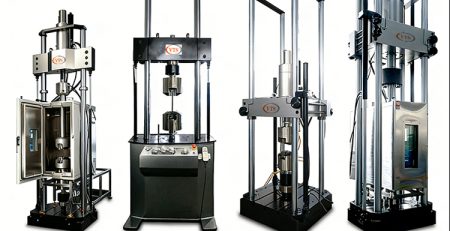
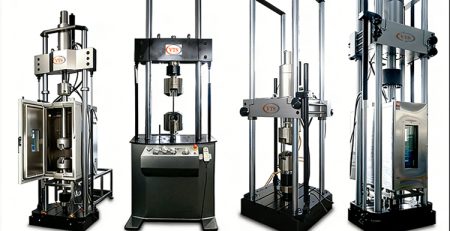
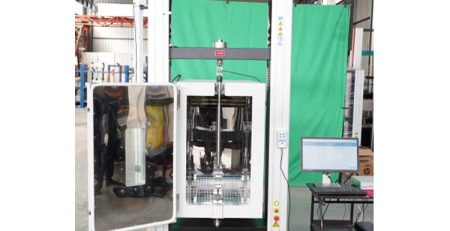
1. Electronic universal testing machine
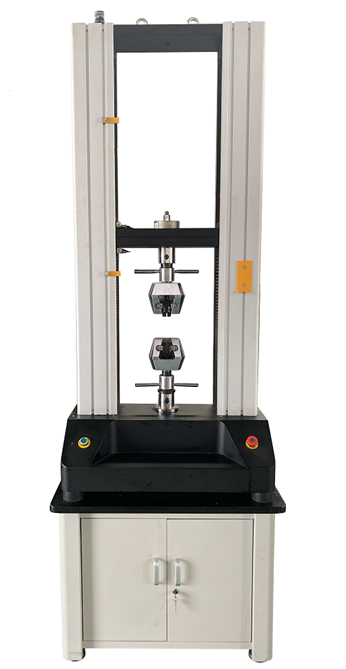
(Schematic diagram: The universal material testing machine can be used with different fixtures to perform different mechanical tests)
2. Customized Compression Fixtures

3. Điều kiện kiểm tra
Nhiệt độ kiểm tra: nhiệt độ phòng, about 20°C
Load sensor: 100KN (0.5 level)
Loại thử nghiệm: thử nghiệm nén
Tốc độ kiểm tra: 0.2 mm/phút
4. Quá trình thử nghiệm

Bước chân 1. Test equipment and tool preparation
1. Electronic universal testing machine: Select an electronic universal testing machine with a range of 100kN (accuracy level 0.5) to ensure that the equipment is calibrated and operates normally.
2. Customized compression fixture: including upper and lower spherical pressure plates to ensure that the surface of the pressure plate is smooth and undamaged.
3. Auxiliary tools:
Carbide contact block (hardness HV1500, size Φ25×20 mm).
35 μm thick polytetrafluoroethylene film gasket.
Vernier caliper or other measuring tools to check the parallelism of the pressure plate.
Bước chân 2. Cài đặt điều kiện kiểm tra
1. Nhiệt độ kiểm tra: Đảm bảo nhiệt độ môi trường thử nghiệm bằng nhiệt độ phòng (about 20°C) và ghi lại nhiệt độ, độ ẩm môi trường xung quanh.
2. Loại thử nghiệm: Đặt máy kiểm tra ở chế độ kiểm tra nén.
3. Tốc độ kiểm tra: Đặt tốc độ kiểm tra thành 0.2 mm/phút.
4. Load sensor: Chọn cảm biến tải 100kN và xác nhận rằng mức độ chính xác của nó là 0.5.
Bước chân 3: Chuẩn bị mẫu
Kiểm tra hình thức bên ngoài của mẫu nén gốm để đảm bảo không có vết nứt hoặc khuyết tật trên bề mặt mẫu và kích thước đáp ứng yêu cầu tiêu chuẩn.
Làm sạch bề mặt mẫu, loại bỏ bụi và tạp chất, và đảm bảo sự tiếp xúc tốt giữa mẫu với khối tiếp xúc và tấm đệm.
Bước chân 4: Lắp ráp thiết bị kiểm tra
1. Điều chỉnh độ song song của tấm áp:
Theo yêu cầu tiêu chuẩn, điều chỉnh tấm áp suất hình cầu phía dưới để đảm bảo độ song song của tấm áp suất trên và dưới nhỏ hơn 20 μm.
Sử dụng các công cụ hoặc thiết bị đo đặc biệt để kiểm tra độ song song và điều chỉnh nếu cần thiết.
2. Đặt cụm mẫu:
Đặt khối tiếp xúc cacbua, 35 Miếng đệm màng polytetrafluoroethylene dày μm và mẫu nén gốm lần lượt trên tấm áp suất hình cầu phía dưới để đảm bảo các bộ phận được lắp khít và chính giữa.
3. Lắp đặt tấm áp suất phía trên: Lắp tấm ép hình cầu phía trên vào đúng vị trí để đảm bảo nó tiếp xúc tốt với cụm mẫu.
3. Ghi lại và phân tích kết quả:
Ghi kết quả kiểm tra vào báo cáo kiểm tra, bao gồm các điều kiện kiểm tra, kích thước mẫu vật, tải tối đa, cường độ nén, vân vân.
Phân tích hình thái vết nứt của mẫu vật, và tìm hiểu các yếu tố ảnh hưởng đến cường độ nén kết hợp với các yếu tố như cấu trúc vi mô.
Trên đây là chia sẻ của Andy Li về bài kiểm tra độ bền nén gốm mịn. Tôi hy vọng nó có thể hữu ích cho mọi người! Nếu bạn muốn biết thêm về phương pháp kiểm tra độ bền nén gốm mịn, thiết bị kiểm tra, tiêu chuẩn kiểm tra, báo cáo thử nghiệm, video thử nghiệm và phương pháp thử nghiệm, thông số kỹ thuật máy thử nghiệm vật liệu phổ quát, lắp đặt máy đo độ giãn, hướng dẫn, quy trình vận hành và sử dụng, sử dụng máy kiểm tra phổ điện tử, thủ tục xác minh và kiểm tra mô đun đàn hồi, vân vân., bạn có thể theo dõi chúng tôi, hoặc bạn có thể gửi tin nhắn riêng cho chúng tôi và để lại tin nhắn. Đội ngũ công nghệ đo lường và điều khiển VTS sẽ giải đáp miễn phí cho bạn!