ASTM E399 Fracture Toughness Test Method
ASTM E399 Fracture Toughness Test Method
(ASTM E399 Standard Test Method for Linear-Elastic Plane-Strain Fracture Toughness of Metallic Materials)
Experience excellence at VTS, where we engineer testing machines that redefine industry standards. Our commitment to precision and innovation ensures superior performance and reliability, meeting and exceeding your testing needs. Compliant with international standards like ASTM E399, our solutions guarantee top-tier quality and efficiency.
Why is ASTM E399 considered the “lifeline” for the safety of metallic materials?
In critical fields such as aerospace, nuclear power, and oil and gas transportation, the “crack resistance” of metal materials directly determines equipment lifespan and personnel safety. ASTM E399, a globally recognized standard for testing the linear elastic plane strain fracture toughness of metal materials, provides engineers with quantitative data on material resistance to crack propagation by precisely measuring the core parameter K₁c (critical stress intensity factor), thus preventing catastrophic accidents such as sudden brittle fracture.
Whether it’s ultra-high-strength steel, titanium alloys, or aluminum alloys, whenever “crack-containing structural design” is involved, ASTM E399 test data is an indispensable design input – which is the core reason why it has become a mandatory standard in the aerospace and nuclear power industries.
ASTM E399 specifies a method for determining the fracture toughness (KIc and optional KIsi) of metallic materials under predominantly linear-elastic, plane-strain conditions. This method requires the use of fatigue pre-cracked specimens with a thickness of 1.6 mm (0.063 in.) or greater, subjected to a gradually increasing crack displacement force.
What does ASTM E399 measure?
ASTM E399 measures fracture toughness, specifically expressed as KIc. Fracture toughness characterizes a material’s resistance to fracture under linear-elastic stress and strict tensile constraint conditions. It reflects the material’s behavior in the presence of a sharp crack, where the region near the crack tip approaches a triaxial tensile plane-strain state, while maintaining a small plastic zone relative to the crack size, specimen thickness, and ligament size at the crack tip.
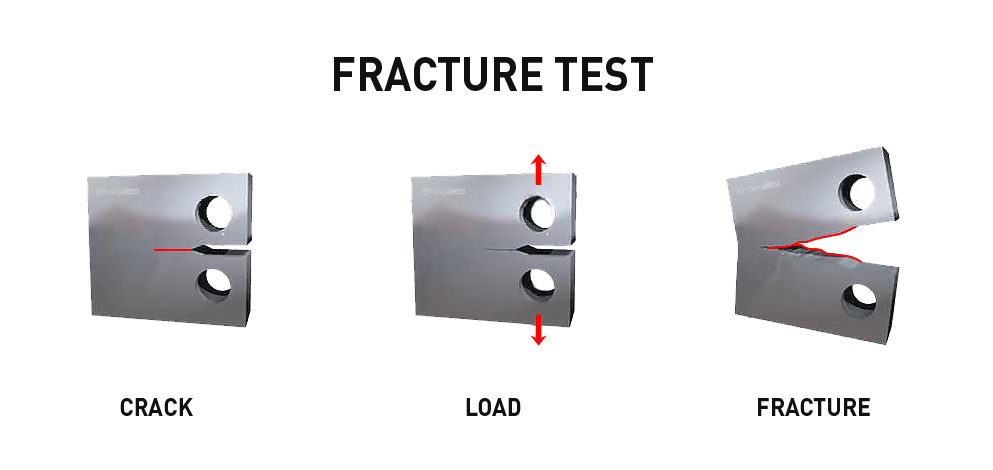
ASTM E399 Standard – Two Main Parts (ASTM E399 Strain Fracture Toughness Test Method)
The ASTM E399 standard consists of two main parts.
The first part outlines general recommendations and requirements for fracture toughness testing, including specific guidelines for the KIc testing procedure. It covers key aspects necessary for conducting accurate and reliable tests, such as specimen preparation, loading configurations, and data analysis methods.
The second part contains detailed recommendations for displacement gauge and loading fixture design, specific requirements for different specimen configurations, and a complete procedure for fatigue pre-cracking.
Together, these two parts form a comprehensive framework for conducting fracture toughness testing according to the ASTM E399 standard.

How to perform the ASTM E399 test?(ASTM E399 Strain Fracture Toughness Test Method)
The ASTM E399 test procedure includes the following steps:
First, prepare the specimen according to the guidelines outlined in the standard.
Measure the width and thickness of the notched specimen and record the measurements for reference.
Mount the prepared specimen into the designated fixture, ensuring proper alignment.
Connect a displacement gauge to the crack opening of the specimen to accurately measure the crack opening displacement (CMOD).
Apply a load to the specimen according to the specifications defined in the standard.
Conduct the test, gradually increasing the load until the applied force reaches the maximum force the specimen can withstand.
Throughout the test, record the maximum force applied to the specimen for data analysis and reporting.
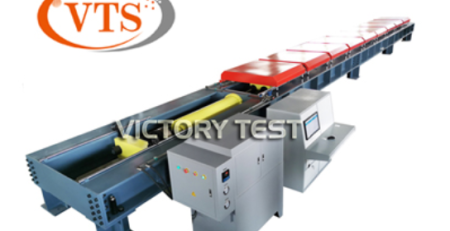
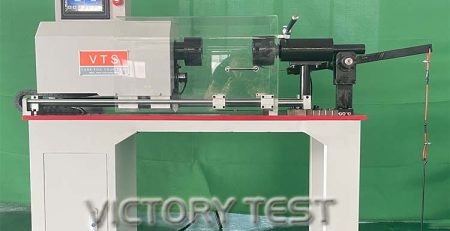
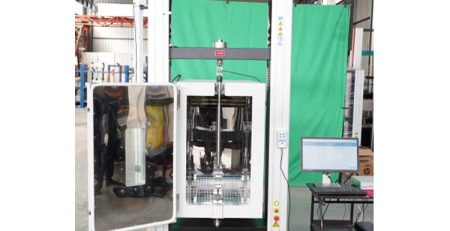
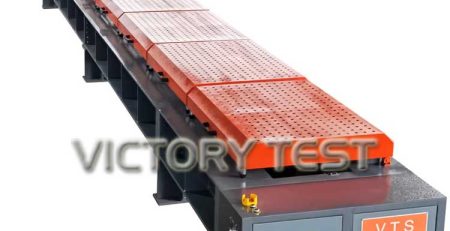
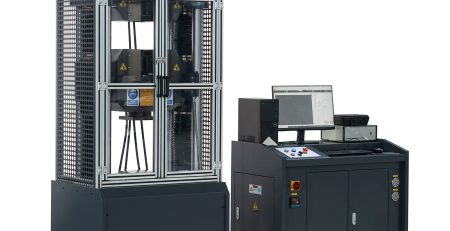
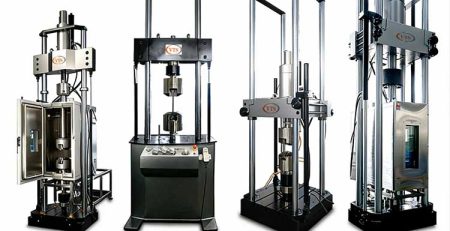
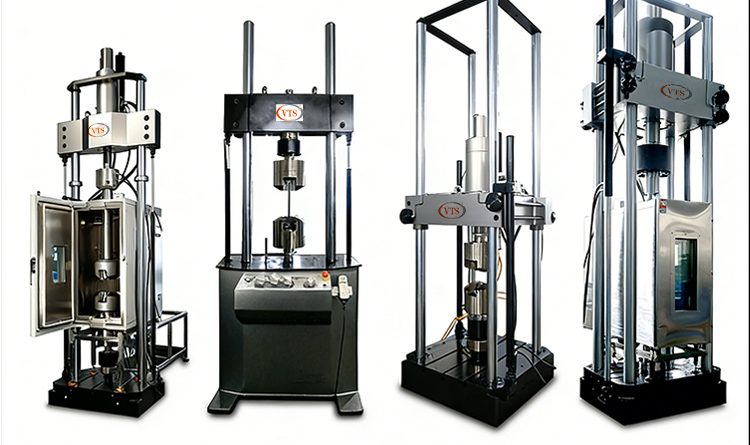
Testing machine conforming to ASTM E399 standard
Our dynamic fatigue testing machine is a versatile solution for tests requiring extremely high precision and speed in force and position control.
Dynamic load range up to 2000kN
Maintenance-free and easy to install
Low energy consumption
Highly reliable testing